


As temperatures drop, staying hydrated can be more challenging.
As temperatures drop, staying hydrated can be more challenging, and many people don’t realize that cold-weather dehydration is a real concern. While you might not feel thirsty in the cold, your body still loses water through sweat, urination, and even dry indoor air. Dehydration can lead to a range of health issues, including kidney stones, UTIs, and constipation. Water makes up 60-70% of your body and is essential for key functions like nutrient transport, waste removal, immune support, and temperature regulation.
Even in winter, it's crucial to keep hydration a priority to stay healthy and prevent complications like hypothermia.
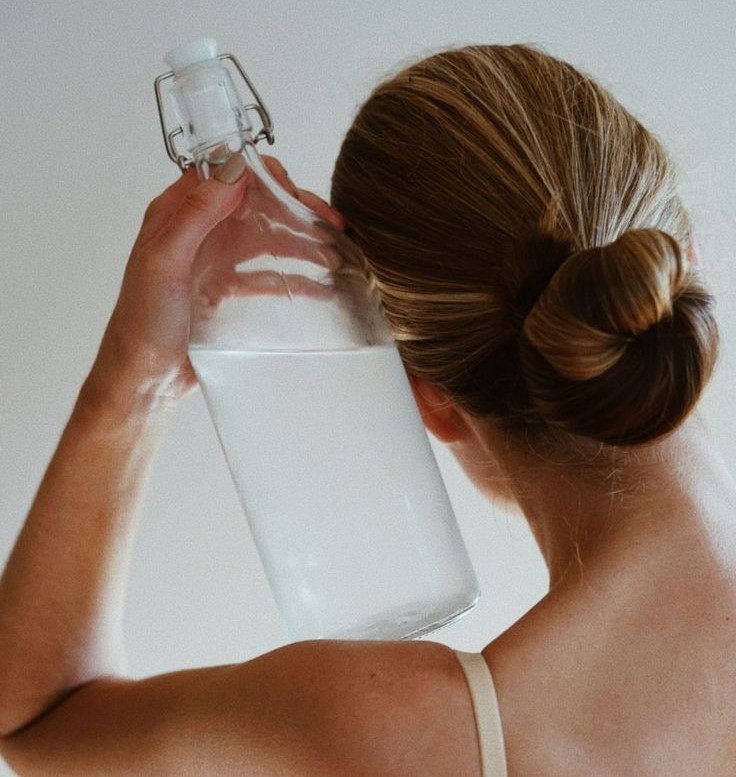
How to tell if you're dehydrated in winter
No matter the temperature outside, your body relies on water to function effectively. Since about two-thirds of your body weight is made up of water, staying hydrated is crucial for maintaining temperature regulation, transporting nutrients, filtering waste, lubricating joints, hydrating skin, supporting digestion, and protecting vital organs like the brain and spine. In short, nearly every bodily function and fluid depends on proper hydration.
Cold air is typically dry, and when we breathe it in, it can cause moisture loss from our nasal passages, throat, and lungs. Dressing warmly to go outside can also raise your body temperature, leading to sweat and further fluid loss. Additionally, as the cold air must be warmed and humidified before reaching the lungs, this process can contribute to dehydration. Deeper, heavier breathing during physical activity in cold weather can exacerbate fluid loss, and your body may also lose more water through urine as it works to conserve heat.
So, how can we stay properly hydrated during the colder months when we don’t feel as thirsty or sweaty?
In addition to feeling thirsty, there are several other signs that you may not be getting enough fluids. One of the easiest ways to check is by observing the color of your urine—it should be pale yellow or clear. If it appears darker, it’s a clear signal to drink more water.
Other dehydration symptoms include constipation, dry mouth, chapped lips, headaches, trouble concentrating, irritability, dizziness, and a fast heart rate.
Infants and the elderly are particularly vulnerable to dehydration. If you notice reduced urine output, a fever between 101-103°F, or diarrhea lasting more than two days, it’s important to seek immediate medical help as these may indicate more severe dehydration.

The recommended daily water intake can vary based on factors like age, gender, activity level, altitude, weather, and overall health. Certain health conditions may also require more or less fluid, depending on the individual's specific needs. A simple way to estimate the minimum amount of water you should consume each day is to take your weight in pounds and divide it by two. For instance, if you weigh 72kg, you should aim for at least 80 ounces i.e., 2 liters of water daily.
Drink warm fluids if you find it difficult to drink cold water when it’s cold outside. Sipping on warm water, hot herbal teas, or warming broths can count towards your hydration.
Add flavor such as a wedge of lemon, lime or other pieces of fruit to plain water. You can also utilize unsweetened water enhancers to add an infusion of flavor.
Carry a water bottle with you everywhere you go to encourage hydration throughout the day. If you're working from home, have a designated water vessel at your desk and refill as necessary.
Drink your food. Homemade soups in winter can increase fluid intake to help you meet your fluid needs, as well as including water-rich fruits and vegetables such as green leafy vegetables, citrus fruits, melon, tomatoes and cucumbers.
Avoid too much caffeine which can contribute to dehydration. Caffeine is a natural diuretic, which means it can flush water and electrolytes from your body. For every caffeinated beverage you consume, such as your mug of coffee, have an additional glass of water of equal volume.
Swap your alcohol for a mocktail. Alcohol should not be counted towards fluid intake and can interfere with a person’s perception of cold, increasing the risk for hypothermia. Instead, try mixing unsweetened seltzer water with a slice of citrus or mixed berries.
Make hydration a routine with the goal of drinking a certain amount of water each day. Start by incorporating a glass of water on your bedside table to be consumed first thing in the morning and aim to make it your drink of choice throughout the day.
While most people can stay hydrated with regular water intake, if you're sweating excessively, exercising for over an hour, or losing fluids due to fever, a sports drink or electrolyte supplement might be helpful to replenish lost fluids.

Get Your Flu Shot Preventing the spread of the flu is always important, but this year, it's even more critical. The CDC has warned that the flu and COVID-19 may circulate at the same time this fall and winter. A quick flu shot can reduce your risk of getting sick, being hospitalized, or even dying, while also helping to free up medical resources for those who need them most.
Keep Your Hands Clean We know you've heard it a million times, but handwashing remains one of the most effective ways to stop the spread of germs. Wash for at least 20 seconds, and if you need some fun, try singing a new song each time.
Stay Hydrated Cold air and constant handwashing can leave your skin feeling dry and thirsty. To maintain a healthy, protective barrier, hydrate your skin and body. Use a moisturizer that works for you, run a humidifier when the air is dry, take warm showers, and drink plenty of water. For an added boost, consider IV hydration therapy to rehydrate more effectively.
Soak Up the Sun Lack of sunlight during the colder months can impact our mood and contribute to seasonal affective disorder (SAD). Open your curtains, let the sunshine in, and get your dose of vitamin D (while protecting your skin with sunscreen). Sunlight can boost serotonin levels and naturally improve your mood.
Explore a New Hobby Engaging in hobbies not only gives your mind a break but also benefits your physical health. Whether it’s painting, knitting, playing an instrument, or exercising, hobbies can help lower blood pressure and heart rate, according to the American Heart Association. Find something you enjoy and make it a regular part of your routine.
Focus on Your Mental Health Stress affects everyone differently, and it's important to take care of your mental health, especially during challenging times. The CDC provides helpful resources to manage stress and emotions during the pandemic—don't hesitate to reach out for support when needed.
Stay Connected While social distancing is necessary to prevent the spread of COVID-19, it's still important to stay connected with loved ones. Video calls and socially distanced outdoor gatherings can help you maintain these vital relationships and support your mental well-being.
Keep Moving Physical activity is essential for both mental and physical health. Regular exercise strengthens your body, boosts energy, improves your mood, and even helps reduce blood pressure. Find a routine that works for you and get moving to release those feel-good endorphins.
Eat Nutritious Foods and Try IV Nutritional Therapy Fuel your immune system with a diet rich in fruits and vegetables. For a more direct nutrient boost, consider IV nutritional therapy, which delivers vitamins and minerals like zinc, vitamin C, glutathione, and B complex directly into your bloodstream, supporting immunity and promoting healing.
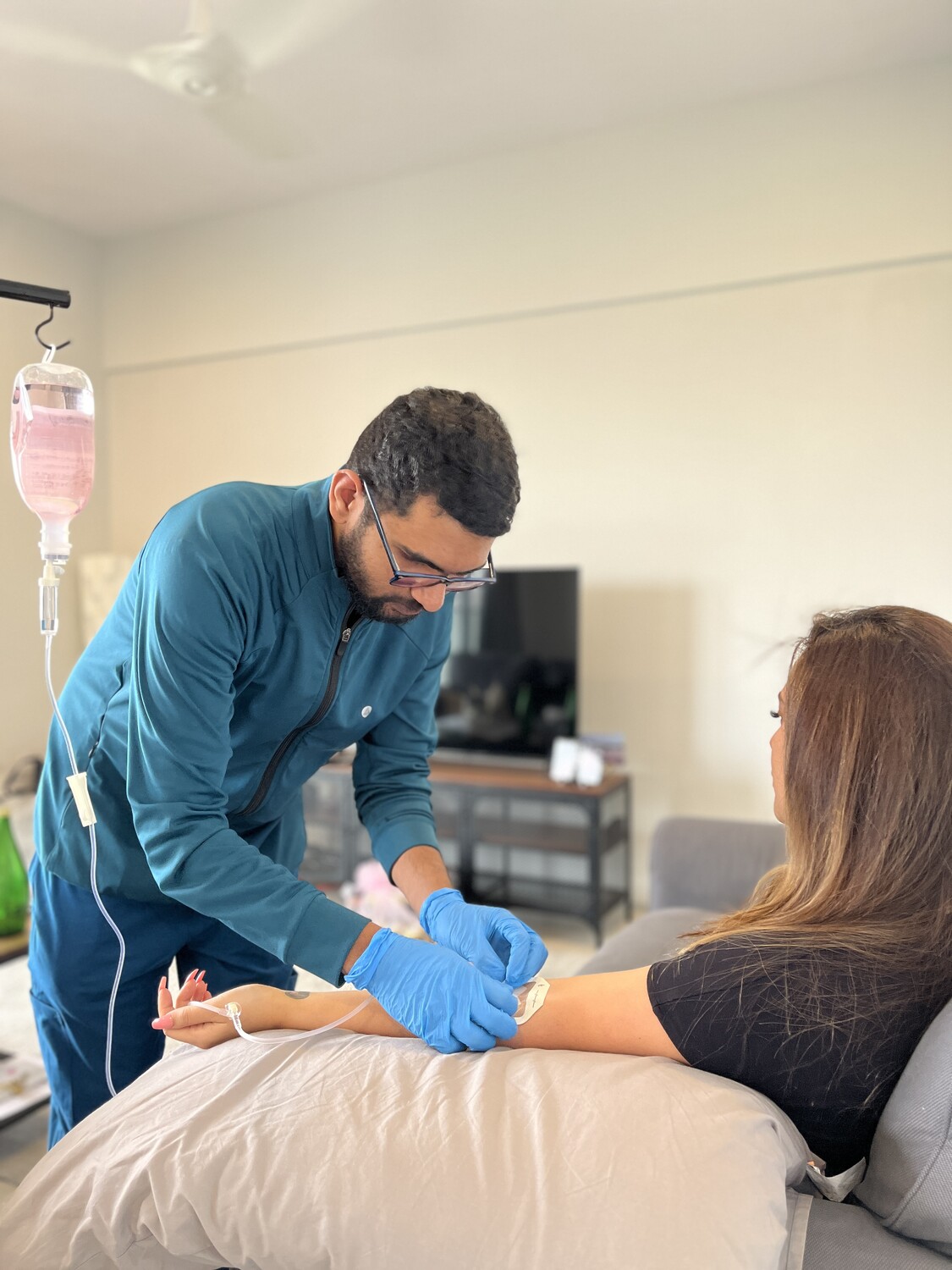
Shiffa Wellness introduced Immunity & Nutra Cleanse Bundle to the overcome seasonal flu & strengthen your Immunity
During the winter and holiday season, viruses like influenza and the common cold tend to spread more easily due to colder temperatures and reduced sunlight, which limits our body's ability to produce vitamin D. Additionally, the busy holiday season with shopping and family gatherings can disrupt diet and exercise routines, increasing the likelihood of nutritional deficiencies and illness.
For those at risk of vitamin deficiencies during this time, IV vitamin therapy can help boost health and reduce the risk of catching viruses like the flu or cold. It can also provide an energy boost, helping you stay active and meet important work and family responsibilities throughout the winter months.
Essential micronutrients and antioxidants administered directly into your bloodstream
If you’ve been feeling fatigued and run down this season, your immune system may greatly benefit from IV vitamin therapy. If you feel as though dryness and winter weather have you looking older than your true years, IV vitamin therapy can restore hydration to help you achieve more youthful, beautiful skin.
Vitamins B, C, and D are usually included in IV therapy, along with magnesium, calcium, potassium, and antioxidants and amino acids. Our medical professionals can talk to you about your vitamin needs during a consultation, and suggest a vitamin cocktail that can effectively boost your immune system and energy levels.
In addition to boosting your immunity, IV vitamin therapy can eliminate toxins from your body to improve the appearance of your skin, reduce chronic inflammation, and improve your mental wellness.
Smoother, youthful skin
Brighter skin and complexion
Reduced signs of ageing (e.g., fine lines, wrinkles, and sunspots)
Improved metabolism
Potential weight loss
Reduction in symptoms of illness
Higher energy
Faster wound healing
Improved endurance and athletic performance
Shorter recovery time
When we think about winter wellness, it's easy to focus on staying healthy and avoiding illnesses like the flu or COVID-19. But true wellness during the colder months goes beyond just physical health. It's a holistic approach that nurtures your body, mind, and spirit.
This time of year is an opportunity to embrace the small joys in life—whether that's picking up a new hobby, soaking in the warmth of a sunny day, or finding moments of peace in everyday routines. It’s also a reminder to stay connected with those we care about, even if it’s through video calls or messages, to maintain our emotional well-being.
Winter wellness is also about caring for your body. From eating nourishing foods to making sure you stay hydrated, taking small steps to look after yourself can have a big impact on your overall health.
So, as the season unfolds, take time to prioritize your holistic well-being—finding balance in how you nourish your body, mind, and relationships.